
























Have you ever heard of the term Blue Zones? This term is defined by the geographic regions around the world where people live exceptionally long and healthy lives. People have shown great interest in knowing what happens differently in these regions, and experts have worked to discover what leads to this phenomenon of Blue Zones. The ironic thing is, these people don’t focus their whole attention on keeping a strict diet, counting calories, or following the latest health trends. Instead, the way they eat is based on their way of living and the decisions they take when choosing what to eat.
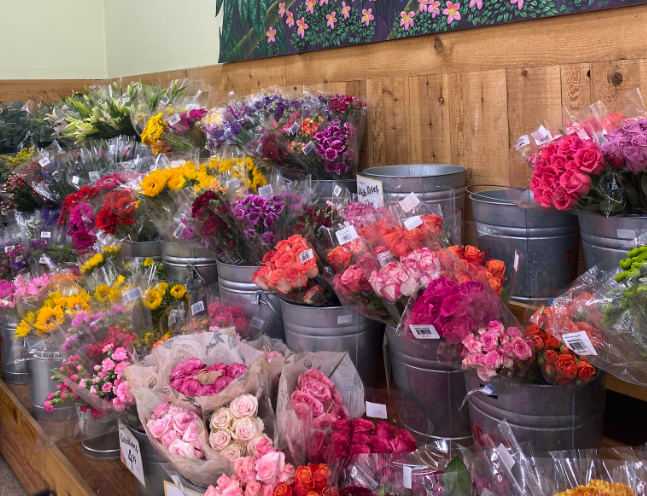
To begin with, most of these long lived people have local sources of fruits and vegetables when purchasing their groceries. This contributes to keeping a mostly organic and natural diet, that doesn’t include things such as GMOs or pesticides. Student Hope Edwards(11), “ In my APES class I have learned the importance of organic food and it is something I want to bring into my life.” To follow a diet like theirs, there are a couple of things to focus on other than just buying organic or locally grown foods.
First of all, rule #1 in the guideline, the plant slant. Make sure that 95% of your food comes from a plant or a plant product. Senior Ethan Lee (12) shares, “ I try to prioritize whole foods when choosing my diet.” For example, lean for choosing foods such as beans, yams, greens, and fruits. Although meat is still a part of their diet, they consume it sparingly. Adviser Walter Willett of the Harvard School of Public Health explained, “Meat is like radiation: We don’t know the safe level.” Leafy greens are considered to be the best longevity foods, such as kale, spinach, beet, turnip tops, etc. Researchers have also found that people who consumed a quarter pound of fruit daily were 60% less likely to die during the next four years than those who didn’t. Furthermore, although it is not said for olive oil to be the healthiest oil, it is what is mostly used in these blue zones. In fact, olive oil has been found to control good cholesterol. In addition, a study in Ikaria proved that olive oil daily seemed to cut the risk of dying in half.
Other rules in the guideline include, minimizing dairy, consuming low amounts of fish, eating eggs occasionally, having a daily dose of beans, removing sugar from the diet, snacking on nuts, and eating sourdough as your bread. To sum it up, here are some tips and habits to add to your life to help increase the longevity of your life. First, consume fruits and vegetables daily and keep them on hand. Second, use olive oil as butter. Third, stock up on whole grains. Finally, have about 46 to 56 grams of protein daily.

Maddie Guan • May 15, 2025 at 9:17 AM
This is so interesting to read about! Now I know what foods to watch out for and what foods I should consume more of.