
















Student fashion has always been a mirror of social, cultural, and technological changes. From the conservative early 20th-century dress codes to today’s diverse and expressive styles, student attire has continuously evolved, reflecting shifting norms, societal values, and generational preferences. What students wear is not just a matter of aesthetics but a representation of their identity, values, and political statements.
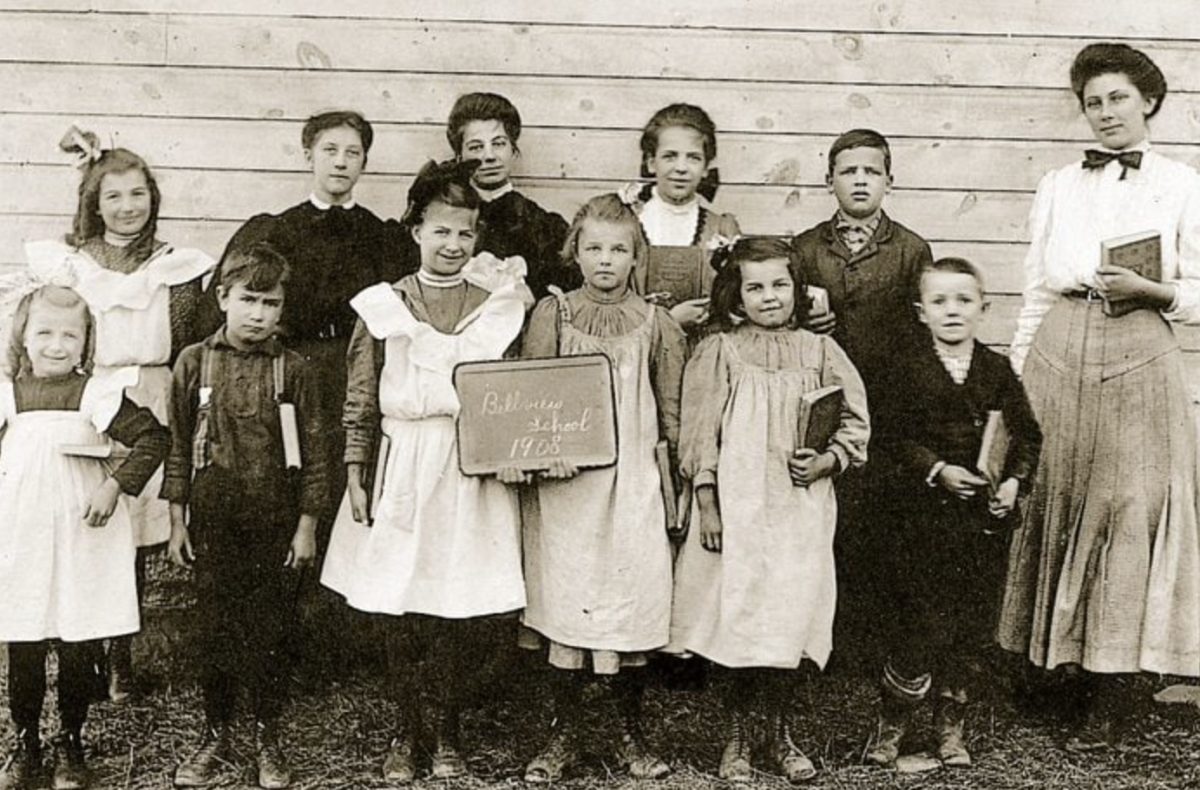
In the early 1900s, student fashion was dictated by strict societal norms, emphasizing modesty and uniformity. Young men wore formal suits and ties, while young women wore long skirts and high-necked blouses. Schools enforced stern dress codes with little to no room to freely wear what you wanted. In addition to that, education was closely linked to social class, and clothing was a clear indicator of one’s status and upbringing. Uniformity in dress was seen as a way to maintain decorum and focus on academic excellence.
The 1950s introduced the preppy look, with students starting to wear sweater vests, pleated skirts, and letterman jackets. This was the beginning of students wearing clothing to reflect their lifestyles and aspirations. However, the 1960s witnessed a radical shift largely influenced by the counterculture movement. Bell-bottom jeans, tie-dye shirts, and miniskirts emerged as students rebelled against the uptight societal expectations of the past. The civil rights movement, anti-war protests, and a growing sense of individualism encouraged students to embrace fashion as a statement of personal and political identity.
The 1970s marked an era of bold and diverse fashion choices. A fusion of bohemian, disco, and punk influences shaped student wardrobes. Flared jeans, platform shoes, and fringed jackets were essential, reflecting a freedom of style. The decade’s fashion was heavily influenced by music culture, with rock, punk, and disco styles, as students sought to break free from previous constraints, and individuality in fashion became increasingly celebrated.
By the 1980s, power dressing and bright, bold colors took center stage. The emergence of MTV and pop culture icons brought an explosion of new styles, ranging from oversized blazers and shoulder pads to graphic tees and leather jackets. As consumer culture boomed, brands and designer labels became status symbols among students, reflecting a growing obsession with style and social status.
The 1990s saw a shift toward casual, laid-back fashion. Grunge culture, influenced by alternative rock bands, brought flannel shirts, ripped jeans, and combat boots into student wardrobes. Meanwhile, hip-hop culture introduced baggy jeans, oversized hoodies, and sneakers as everyday staples. This era reflected an embrace of comfort and authenticity, with students favoring effortless, mix-and-match styles.
The early 2000s witnessed a growing emphasis on brand-conscious fashion. Designer labels, logo-heavy outfits, and low-rise jeans dominated student attire. The internet and the rise of celebrity culture further fueled global fashion trends, making high-end fashion more accessible and desirable among students. With social media platforms beginning to gain traction, the influence of celebrities and influencers on student fashion became more pronounced than ever before.
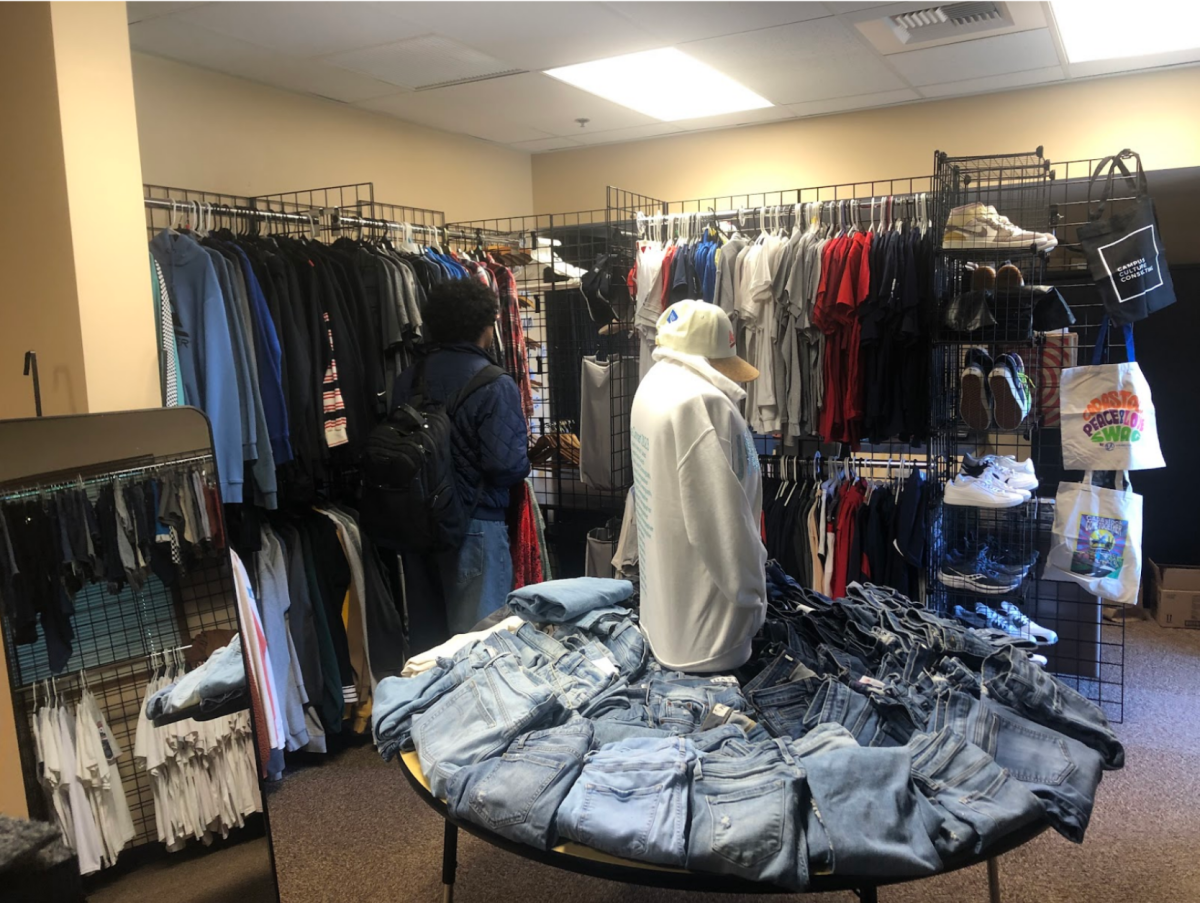
Student fashion in the 2020s reflects a blend of comfort, individuality, and sustainability. The pandemic played a big role in shaping trends, with loungewear like sweatpants, oversized hoodies, and athleisure becoming staples for remote learning. As in-person classes returned, students embraced streetwear, vintage finds, oversized jackets, and sneakers with minimalist, eco-friendly clothing. Accessories like bucket hats, scrunchies, and statement jewelry also made a comeback, while thrifting and second-hand shopping gained momentum, reflecting a growing emphasis on sustainable fashion
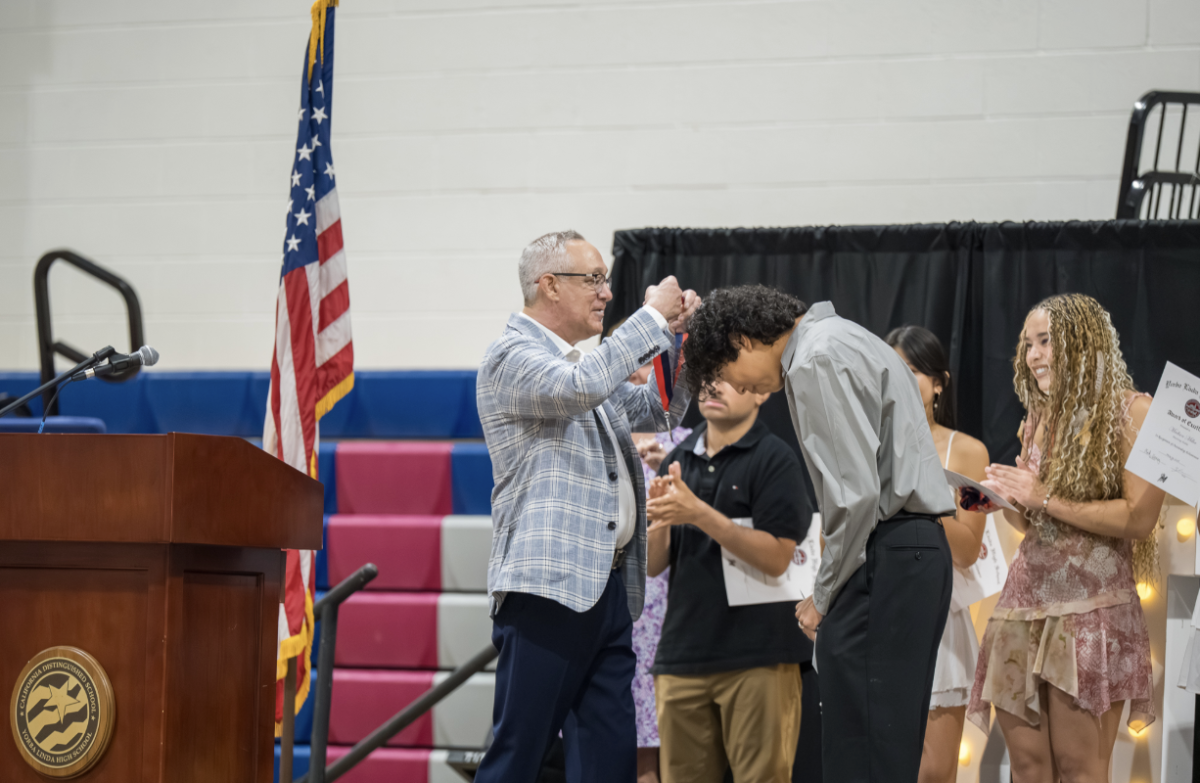
Fashion among students today is more broad than ever, thanks to social media and online shopping. A mix of vintage, streetwear, athleisure, and high fashion dominates campuses, allowing students to curate their own personal styles. Unlike previous decades, fashion is no longer defined by rigid trends but by individual choice and identity. Melena Thune (10) shares the same feeling and tells me, “Dressing how I want makes me feel more comfortable at school in general.” Juan Caravajal (10) says, “It’s fun being able to express myself how I want and not have to wear the same uniform every day.”
Juan Caravajal (10) says, “It’s fun being able to express myself how I want and not have to wear the same uniform every day.”
However, what remains constant is that student fashion will always be more than just clothing—it will continue to serve as a representation of beliefs, creativity, and the ever-changing nature of youth culture.

Milla Jans • Feb 27, 2025 at 8:14 AM
The way fashion has evolved is an intriguing subject, and you have a great writing style.
Leilah Huttner • Feb 27, 2025 at 7:23 AM
I would’ve loved to live in the 1970s. The fashion is so cool!
Maddie Guan • Feb 27, 2025 at 7:23 AM
I think it’s great that now we get to express ourselves more with our clothes.
Gabriela Chavez • Feb 27, 2025 at 7:21 AM
I loved how detailed this article is! It throughly explains and describes the different fashion throughout the years and I love it!
Megan Huynh • Feb 27, 2025 at 7:20 AM
I’ve never realised how much fashion has changed throughout the years!
Melody Sutanto • Feb 27, 2025 at 7:19 AM
I never thought about this before, so interesting!