












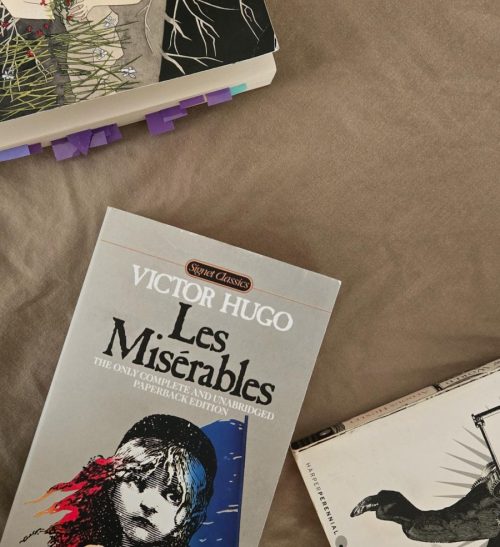
For several generations, classical literature has been a vital part of human expression. To name a few, the works of George Orwell, Leo Tolstoy, and Shakespeare exist for emotion. Emotion is an attribute of humankind that helps us better understand the world around us. But modern books portray emotion as well; do they deserve a seat at the table?
Student Perspective
Our digitalized world has brought light to applications like TikTok and Instagram, which soon replaced the appeal to books. Many high school students are so used to modernized storytelling and terminology that even if they were to pick up a book, it would not be of the classical genre. They simply lose sight of the deeper values classical books represent, and instead, they are overwhelmed on a day-to-day basis with things like Colleen Hoover and Holly Black. This detachment from older books and themes stems from their lack of relatable content. Joseph Lee (10), a student at Yorba Linda High School, describes his experience: “I prefer more modern books like The Catcher and the Rye. Generally, I read the ones I can relate to more in real life.”
Do Older Books Really Matter?
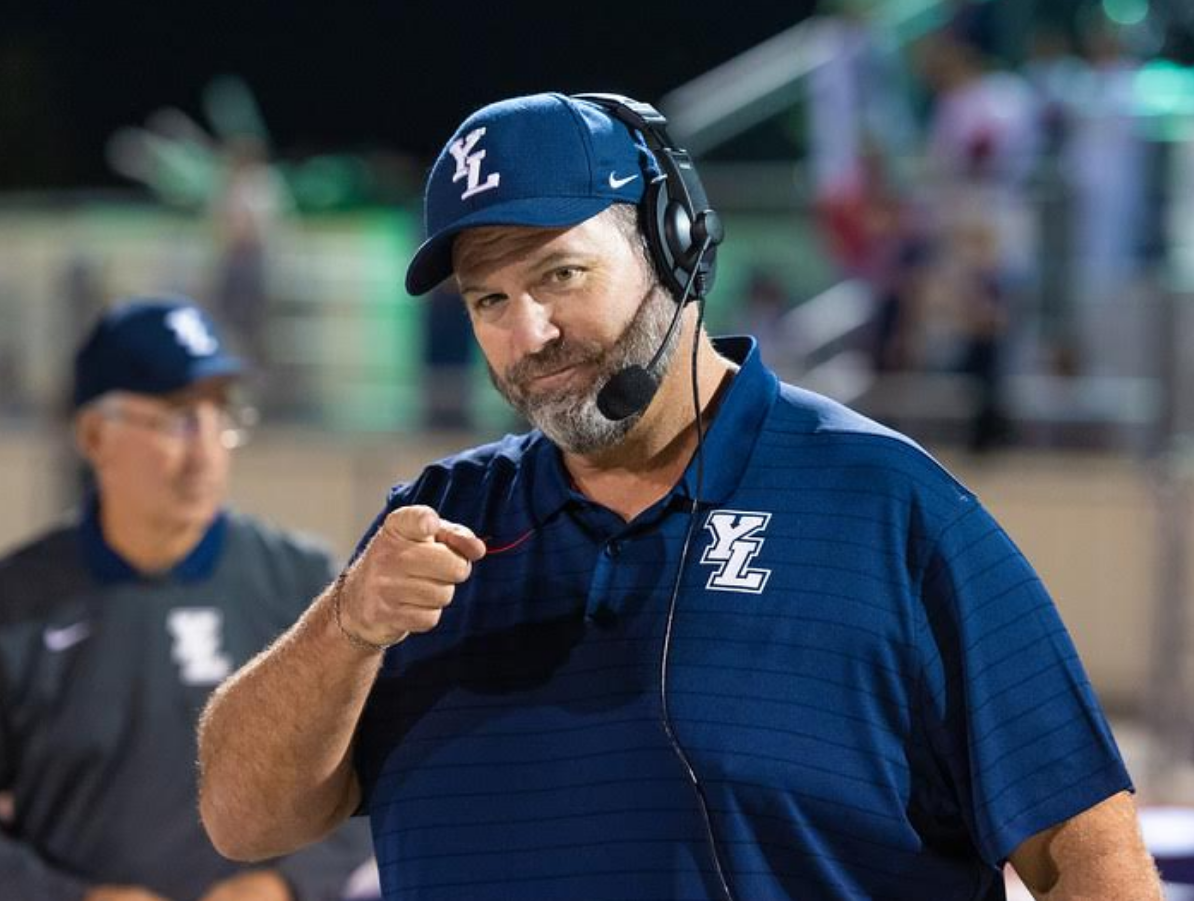
Tales and memoirs of the past underline the most important aspects of human life. We can see these complex themes everywhere. Among the more prevalent ones are family, human nature, hope, and justice. Although modern books are not too far behind in this train of morals, we cannot ignore the fact that without classics, modern literature would not have evolved in the way it did. They were the foundation for what is built today. Mr. Cadra (S), a language arts teacher at Yorba Linda High School, explains their importance: “[Classics] represent some of the best works that humans have produced. They contain characters, ideals, and themes that have stood the test of time and are timeless. While there is certainly some incredible contemporary literature read in schools, it is always interesting to me to think about which works will still be read in 50, 100, or even 200 years.”
Challenges to Modernization
When it comes to modernizing any selection of books in schools, guidelines are the first thing considered. Do these nontraditional books check every box? More often than not, the answer is no. In the 2023-2024 year alone, there were over 10,000 books banned in public schools (USA Today). This restraint on behalf of schools limits most accessibility. But behind every book ban, there is a community in favor. Many modern themes and topics are sensitive or simply do not fit the analytical level required in a high school classroom. It is a given that academic rigor is difficult to maintain. However, this modernization also faces an economic setback. New options mean more money spent to make them widely accessible.
Keeping a Balance
Like yin and yang, there must be a perfect balance. High school curriculums need a bit of both worlds. By doing so, students will be more engaged whilst maintaining the integrity of books with resolutions that must not be forgotten.
