






















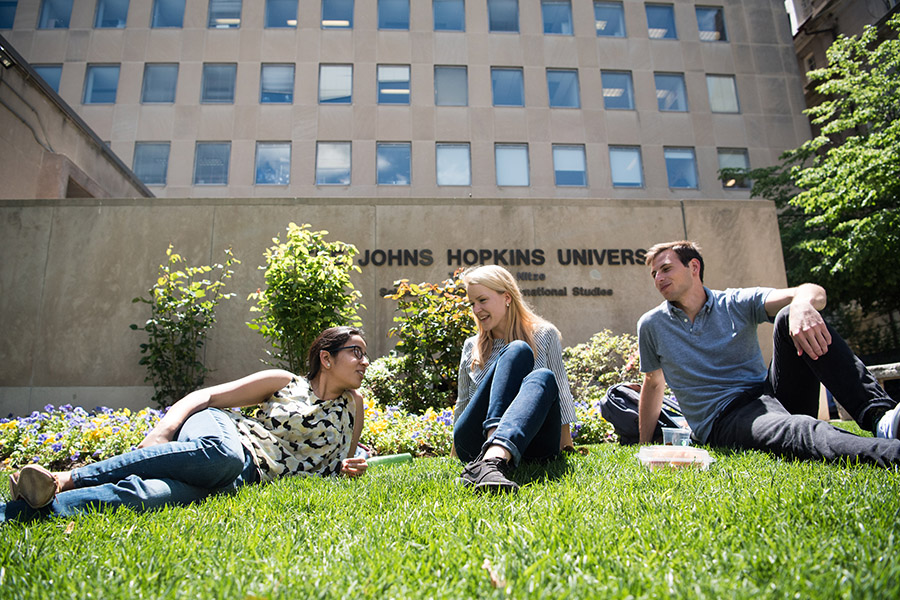
Summer programs have gained immense popularity among high school students eager to enhance their college applications. These programs, often offered by universities or private organizations, provide students with unique experiences to expand their academic, personal, and professional horizons. Kaylee Garcia (10), a proponent of the benefits of summer camps, believes “summer programs are a great way to develop new skills. I attended Mock Trial camp at Chapman University, and I think it was a great experience. You can connect with professors who are always ready to answer questions and meet like-minded individuals.” While their potential to strengthen applications is undeniable, students and families must carefully weigh the benefits against drawbacks, including concerns about programs that may prioritize profit over educational value.
Why Summer Programs Can Be Beneficial
- Demonstrating Passion and Initiative
Admissions officers value students who take proactive steps to explore their interests. Summer programs allow students to delve deeper into fields they’re passionate about, showcasing a commitment to learning beyond the traditional classroom. This initiative signals to colleges that the student isn’t afraid of taking on new challenges or going out of their comfort zone to deepen their knowledge and skills. It’s not just about listing a program on a resume but about highlighting meaningful growth—something colleges value highly in candidates.
In addition, participating in summer programs can help students build a story around their application. For instance, a student passionate about environmental science who attends a summer program on conservation can use that experience to craft a compelling essay about their goals and values. The effort to pursue such opportunities can reflect a genuine drive to make an impact in a particular field (Collegevine).
- Personal Growth and Skill Development
Beyond academics, summer programs can help students build important life skills. These programs often push participants out of their comfort zones, encouraging them to interact with peers from diverse backgrounds. This fosters teamwork, communication, and adaptability—skills that are crucial not just for college, but for life in general.
Moreover, summer programs often simulate real-world challenges, requiring students to think critically, solve problems, and manage time effectively. These experiences can prepare students for the rigors of college coursework while also instilling confidence in their ability to handle complex situations. Even when the material is academically demanding, the experience of navigating it can be transformative for young learners.
- Exploring College-Level Expectations
For many students, the jump from high school to college can feel overwhelming. Summer programs can act as a bridge, giving students a taste of what’s expected in higher education. Whether it’s tackling a rigorous syllabus, engaging in research projects, or learning from professors, these programs provide an invaluable preview of college life.
This exposure also helps students understand their own academic strengths and weaknesses. A student considering a career in medicine, for instance, might discover through a summer program that they excel in biology but struggle with lab work. This self-awareness can guide their future decisions, whether that’s choosing a college major or identifying areas for improvement before college begins (Harvard Summer).
- Building a Competitive Edge
Let’s face it: the college admissions process is more competitive than ever. Summer programs, when chosen wisely, can give students a significant edge. By participating in programs that align with their interests and goals, students demonstrate focus and a clear sense of direction. This is particularly valuable for selective colleges looking for candidates with well-defined passions and ambitions.
Additionally, the skills and experiences gained from summer programs can enrich essays, interviews, and recommendation letters. Admissions officers are more likely to be impressed by students who can articulate how a program shaped their perspective or inspired their aspirations. In a crowded applicant pool, these details can make all the difference (Oxford Scholastics).
The Downsides: When Summer Programs Can Be Cash Grabs
While the benefits of summer programs are clear, it’s important to recognize that not all programs are created equal. Some are more focused on generating revenue than providing meaningful educational experiences. Here are some basic considerations that should be noted:
- High Costs Without Transferable Value
One of the most common criticisms of summer programs is their steep price tag. Families often pay thousands of dollars for the opportunity, expecting that the cost will translate into tangible benefits like college credit or prestige. However, the reality is that many of these credits are non-transferable, meaning they won’t count toward a student’s future degree requirements.
This leaves families questioning whether the investment was worth it. After all, the promise of college credit might sound appealing, but if it doesn’t save time or money down the line, its practical value is limited. In these cases, the high cost can feel more like a marketing tactic than a justified expense (BestColleges).
- Lack of Genuine Selectivity
Another issue is the lack of selectivity in some programs. While they may advertise themselves as exclusive opportunities, many summer programs accept nearly all applicants who can afford the fee. This undermines their credibility and reduces their value in the eyes of college admissions officers.
Admissions teams are often aware of which programs are truly competitive and which are not. Attending a program with low selectivity might not make as strong an impression, especially if it’s clear that the primary barrier to entry was financial rather than merit-based. For students looking to stand out, this can be a missed opportunity.
- Prestige Over Substance
It’s easy to be swayed by well-known university names. However, not all programs hosted by prestigious institutions deliver the quality of education or engagement that families expect. Some rely heavily on the university’s reputation to attract participants, offering little in terms of meaningful interaction with faculty or advanced coursework.
For students, this can be a disappointing realization. They may enter the program hoping for an enriching academic experience, only to find that the curriculum is superficial or that the instructors are not as involved as advertised. In these cases, the program’s prestige does little to compensate for its lack of substance. Many programs, on the contrary, may have much better course content but are not surrounded by titles from prestigious universities. Colleges mentioned previously would usually rather see students in more competitive and difficult courses than those with fancy titles (Prep Scholar).
- Limited Long-Term Benefits
Finally, some programs fail to provide lasting value. While they might look good on a resume, they don’t always translate into personal growth or memorable experiences. Students may come away feeling that their time and resources could have been better spent elsewhere—whether that’s through volunteering, internships, or independent projects.
This is especially true for programs that prioritize profit over impact. When the focus is on filling seats rather than delivering quality, students are unlikely to gain the skills or insights they were hoping for. In the end, these programs risk leaving families with a sense of buyer’s remorse (Collegevine).
Final Thoughts
Summer programs have the potential to be transformative experiences, but only when chosen wisely. Families should approach these opportunities with a critical eye, prioritizing programs that align with the student’s goals and offer genuine educational value. At the same time, it’s essential to be wary of programs that prioritize profit over substance, promising more than they can deliver.
By doing thorough research and asking the right questions, students can ensure that their summer experiences are both meaningful and impactful. Whether it’s building skills, exploring passions, or preparing for college, the right program can make a lasting difference. However, avoiding cash grabs is key to making the most of this important investment—both financially and personally.
