

























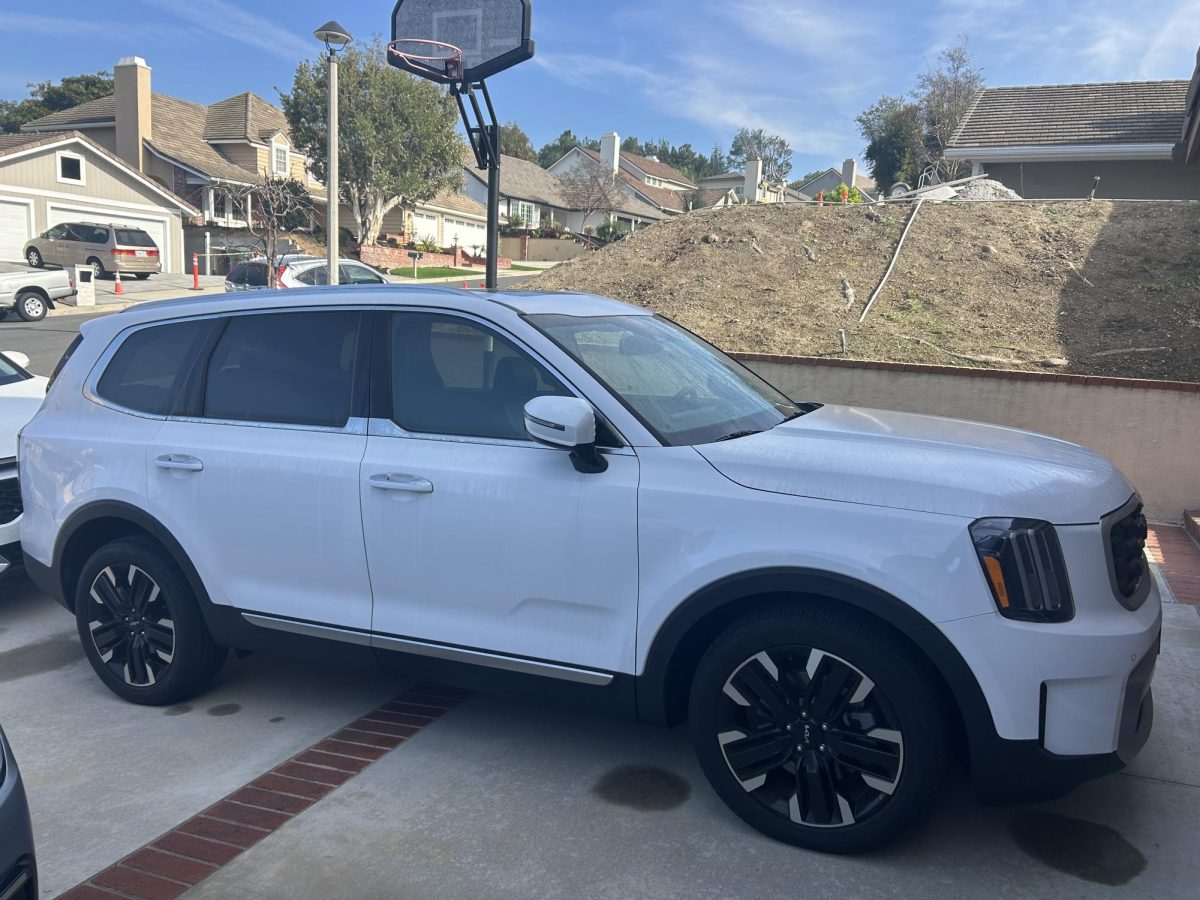
Being able to drive is something most teenagers look forward to for years, and to many new drivers, having a driver’s license means freedom, independence, and not having to rely on parents for every ride. However, while driving is exciting, many teens quickly realize that it also comes with serious responsibilities and expenses that are not always talked about. Gas costs, insurance rates, and strict driving laws can make teen driving more challenging than expected.
One of the biggest surprises for teen drivers is the cost of gas. Gas prices change often, so even short drives can add up over time. Many teens drive to school, work, sports, and friends’ houses, which means frequent trips to the gas station, but depending on the type of car, filling up the tank can cost a lot, especially for vehicles that are not fuel-efficient. Jason Kwon, who works at Kia, says teens should think carefully before choosing a car. “A lot of teens focus on how a car looks, but gas mileage and safety are much more important. Choosing a fuel-efficient car can save a lot of money over time,” he explains. Nowadays, newer cars use less gas and can be more reliable, which helps teens and their families avoid extra expenses.
Insurance is another major reality of teen driving, since teen drivers are considered high risk because they have less experience on the road. Insurance companies charge higher rates for teenagers, even if the teen has a clean driving record, and adding the teen to a parent’s insurance plan can cause monthly payments to increase significantly. Factors like age, the type of car, and driving history all affect the cost. A student at Yorba Linda High School, Ava Bruckner (11) shares her experience as she comments, “I didn’t realize how much insurance would go up after I got my license. It definitely makes me want to be more careful because one mistake could make it even more expensive!” Insurance costs encourage teens to drive responsibly, but they can still be stressful for families to manage.
Lastly, along with gas and insurance, teen drivers also have to follow stricter rules than adults. Many states have driver’s license laws that limit nighttime driving after a certain time, restrict how many passengers teens can have, and completely ban the use of phones while driving. For many students, these rules may seem annoying or unnecessary at first, but they are designed to reduce accidents, since teenage drivers are more likely to be distracted, especially when friends are in the car or when using their phones. Senior Faith Saba explains how these rules affect students: “It can be frustrating not being able to drive friends around whenever you want, but I get why the rules exist. There are fewer distractions, and it really helps new drivers focus on the road”.
The truth about teen driving is that it involves much more than just learning how to steer a wheel and following traffic signs. It requires responsibility, budgeting, and a certain level of maturity that most new drivers are not yet at. At the same time, driving laws help teach teens the importance of discipline, patience, and safety behind the wheel, even if those rules can feel limiting at first. Overall, driving is not just an exciting milestone but a serious responsibility that requires maturity, awareness, and smart decision-making. Understanding the true costs and expectations that come with driving, from paying for gas and insurance to obeying the law, can help teens become safer and more responsible drivers. Ultimately, the freedom that comes with driving is only meaningful when it is handled responsibly and with respect for others on the road.
